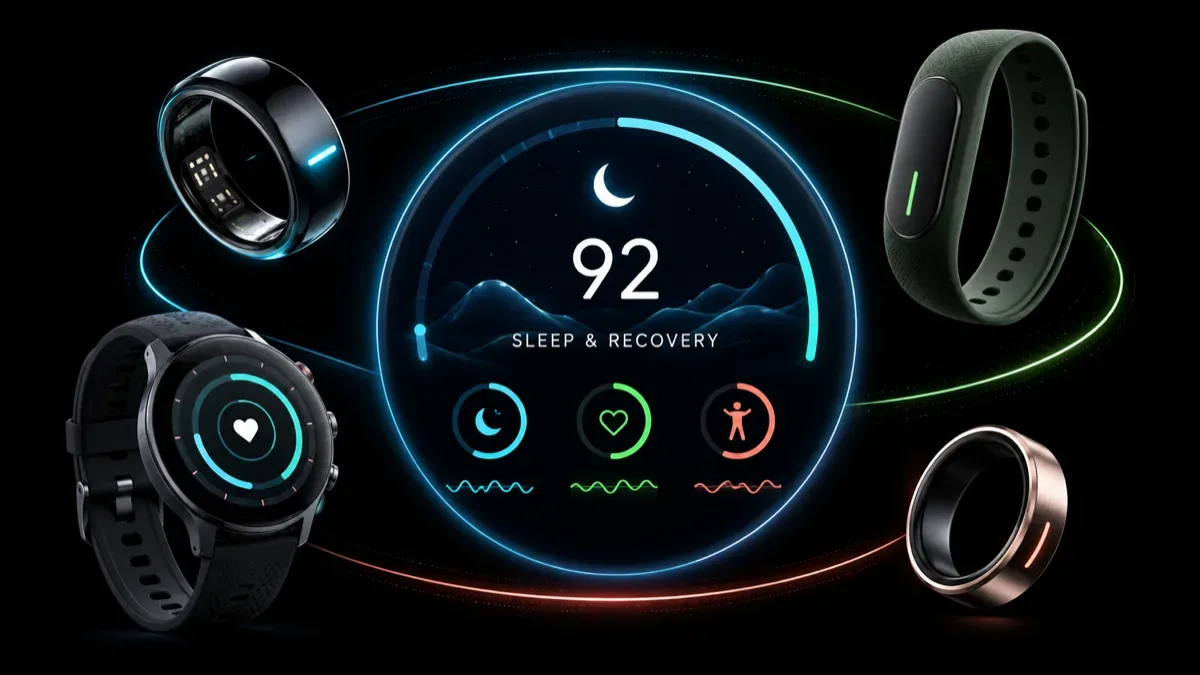
Sleep is often undervalued because it does not look productive. But for longevity, it is one of the core recovery systems. During sleep, the brain processes information, metabolism is regulated, hormones shift, the nervous system recovers, and immune function is supported.
Why Rhythm Matters
The body runs on circadian rhythms. Light, food, movement, and sleep tell internal clocks when to activate and when to recover. Chronic late nights, bright light at night, irregular schedules, and sleep restriction can affect mood, appetite, concentration, and recovery.
Longevity is not about forcing perfect sleep every night. It is about consistency and quality.
What Improves Sleep
The first step is a regular wake time. Even after an imperfect night, a stable morning helps reset rhythm. The second step is daylight exposure early in the day. The third is reducing bright light and stressful work in the evening.
A cool bedroom, less alcohol, regular physical activity, and avoiding heavy meals right before bed can also help.
When to Get Help
Regular loud snoring, waking up gasping, severe daytime sleepiness, or persistent insomnia deserve medical attention. Sometimes the issue is not discipline but sleep apnea, anxiety, pain, medication, or another condition.
Sleep and Productivity
Many people try to gain time by cutting sleep, but the cost may include poorer decisions, impulsive eating, less movement, and weaker training recovery. The time saved can become an illusion.
For longevity, sleep is an investment in the next day and in the ability to maintain other habits.
Bottom Line
Good sleep does not guarantee longevity, but poor sleep makes it harder to maintain muscle, metabolism, brain health, and emotional resilience. Start with a stable wake time, morning light, calmer evenings, and attention to signs of sleep disorders.